

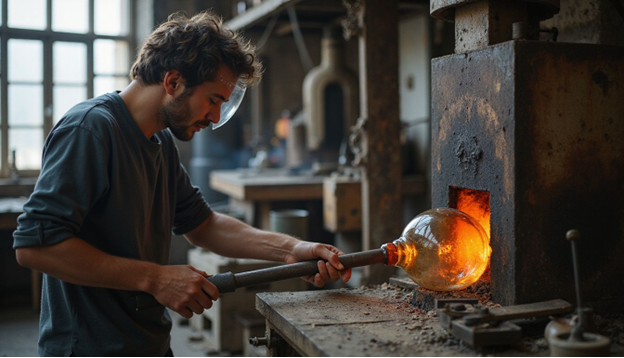
Are you confused by all the different glass pipes and their designs? Glass pipes use handblown glass and creative pipemaking techniques to stand out as both smoking accessories and decorative glass art.
This post will guide you through the artistry, craftsmanship, and style of unique smoking devices in cannabis culture. Discover how glass craftsmanship turns simple pipes into true works of functional art.
Key Takeaways
- Glass Weed Pipe Store have roots going back thousands of years, with glass hand pipes first appearing in Europe during the 15th century.
- There are many types of hand pipes, such as spoon pipes, chillums, bubblers, Sherlocks, Gandalf pipes, one-hitters, steamrollers, fumed pipes, silicone pipes, and artisan handpipes.
- Borosilicate glass is the most common material for crafting these pipes due to its heat resistance and strength; other materials include wood and metal.
- Heady hand pipes are unique glass pieces that stand out for their colorful patterns and creative designs. Collectors value these items both as art and functional tools.
- Regular cleaning with isopropyl alcohol keeps a pipe safe and attractive. Users should always check for cracks before use to avoid accidents.
Hand Pipes
Hand pipes have a rich history and showcase diverse designs. Users can find various types, including spoon pipes, chillums, and bubblers, each crafted with unique materials and styles.
History and evolution of hand pipes
Hand pipes have a rich history that stretches back thousands of years. Ancient cultures crafted these smoking devices using clay, wood, and stone. As time passed, artisans began to experiment with glassblowing techniques.
This innovation allowed for more intricate designs and better functionality in hand pipes. The first glass hand pipes appeared around the 15th century in Europe. Over centuries, they evolved into various forms like spoon pipes and chillums.
Today’s hand pipes reflect immense artistic design and craftsmanship. Modern glass artists use molten glass to create unique pieces with intricate patterns. Many collectors appreciate heady hand pipes not just for their function but also for their beauty.
Cannabis users now enjoy custom glass pipes that fit their individual style and needs perfectly. Choosing the right piece can enhance the experience significantly.
Types of hand pipes (spoon pipe, chillum, bubbler, etc.)
Hand pipes come in many styles, each with unique features. These variations allow cannabis users to choose what fits their needs best.
- Spoon Pipes offer a classic design. With a bowl on one end and a mouthpiece on the other, they provide simplicity and ease of use. Users enjoy their compact size for portability.
- Chillums boast a straight tube shape. They do not have any bells and whistles, making them straightforward to use. Users appreciate their direct hit and often pass them around during gatherings.
- Bubblers combine features of both pipes and bongs. They include water filtration, which cools the smoke for smoother hits. Many users find them appealing because of this added comfort.
- Sherlock Pipes come with an elegant curve in design reminiscent of detective stories. Their unique aesthetic makes them popular among collectors looking for style with function.
- Gandalf Pipes also feature a long stem similar to how wizards might be depicted smoking in fantasy films or books. These pipes allow for extended cooling time, delivering smooth smoke to users.
- One-Hitters resemble small cigarettes; they deliver one puff at a time, keeping consumption discreet and controlled. Many cannabis users prefer these for quick sessions without drawing much attention.
- Steamrollers offer a powerful smoking experience due to their open end and larger bowls compared to traditional pipes. Heavy inhalation creates intense flavors that seasoned users enjoy exploring.
- Fumed Pipes change color over time as they collect resin from usage; this adds an artistic touch that many cherish while using them regularly.
- Silicone Pipes provide durability while being lightweight and colorful; they stand up well to rough handling during outdoor adventures or travel sessions.
- Artisan Handpipes often reflect the skill of the glassblower who made them; these unique creations can serve as functional art pieces within collections, showcasing craftsmanship and creativity alongside their practical uses.
Exploring these pipe types deepens appreciation for the art of glass pipes while enhancing enjoyment during use.
Art and Design of Hand Pipes
Art and design breathe life into hand pipes. Each piece showcases unique creativity and skilled craftsmanship that stands out in any collection.
Unique designs and craftsmanship
Glass pipes showcase unique designs and exceptional craftsmanship. Artists use traditional methods to create these handmade pieces. Some incorporate vibrant colors and intricate patterns that catch the eye.
Others focus on sleek shapes and minimalist aesthetics. Each design reflects the artist’s creative expression, making every pipe a work of art.
Craftsmanship plays a vital role in shaping these hand pipes. Skilled artisans pay attention to detail, ensuring durability while enhancing beauty. Heady hand pipes stand out for their collectible value; many enthusiasts seek them as art pieces rather than just smoking tools.
Heady hand pipes and their collectible value
Heady hand pipes showcase stunning art and craftsmanship. Artists create unique designs that catch the eye and spark interest among collectors. These pieces often feature vibrant colors, intricate patterns, and impressive shapes.
Collectors appreciate heady hand pipes for their aesthetic design as much as for their practical use. Some of these pipes become highly sought after due to their limited production or renowned artists behind them.
FAQs
1. What makes the art of glass pipes unique in craftsmanship and design?
The art of glass pipes blends traditional glasswork with modern design. Artists use heat and shaping tools to create detailed forms. Each piece can show off color, texture, and skilled technique.
2. How do artists explore new designs in glass pipe making?
Artists often experiment with shapes, colors, and finishes. They push the boundaries of glasswork. This journey through craftsmanship and design leads to new styles and creative pieces.
3. Why do collectors value handmade glass pipes?
Collectors value these pipes for their originality and the artist’s skill. Each glass pipe tells a story through its design. The craftsmanship makes each piece a work of art.
4. What skills are needed to master the art of glass pipe creation?
Mastering glass pipe creation requires steady hands, patience, and a deep understanding of glass. Artists must know how to shape, color, and finish the material. This skill set is key to exploring the art of glass pipes and advancing design. …